Online Training for Reactive Dogs: When a Course Helps, When It Can't, and How to Choose
Online training for reactive dogs can help if your dog barks, lunges or pulls on the leash at other dogs. A course alone is not enough when your dog has bitten, shows true aggression or is severely afraid.
I compared six options on November 23, 2026, and wrote down what each one covers and what it does not. See also our online dog training guide.
See the six courses ↓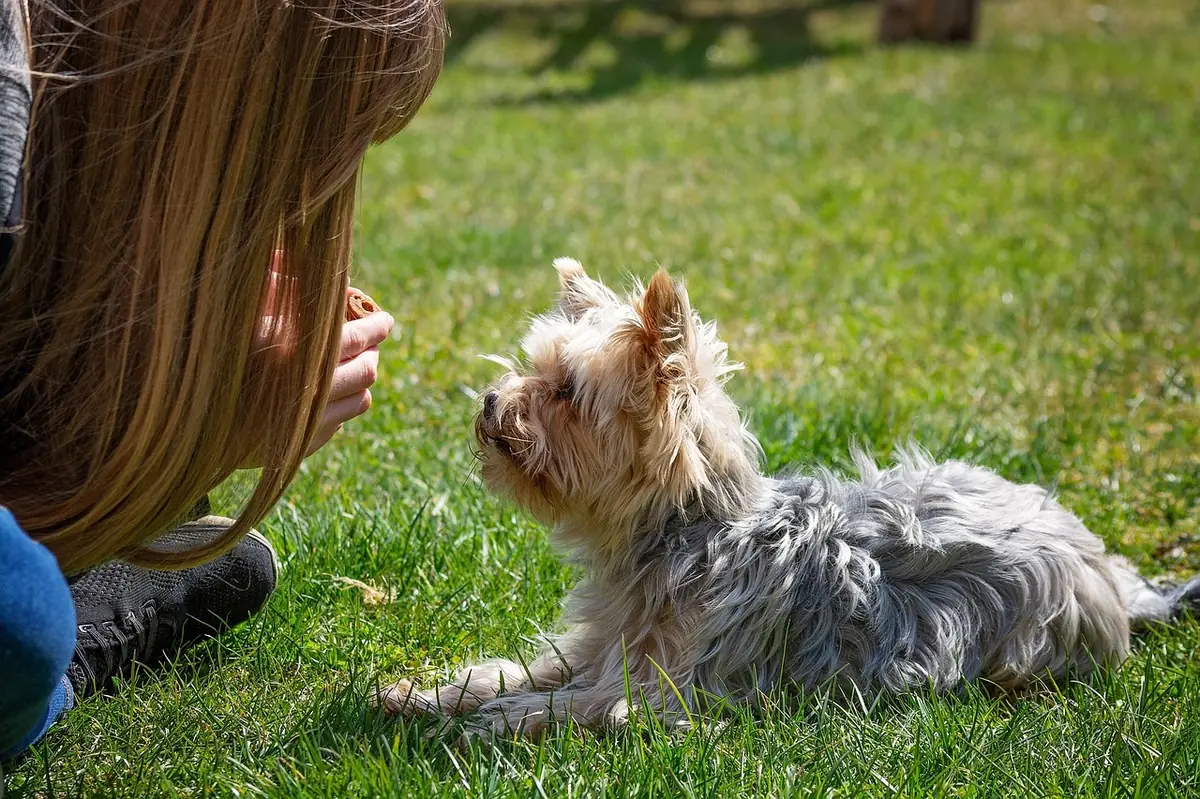
What Is a Reactive Dog?
A reactive dog overreacts to a trigger, such as another dog, a stranger or a car, usually by barking, lunging or pulling on the leash. The ASPCA says aggression "usually begins with warnings and can culminate in an attack", so reactivity and aggression can overlap. A certified professional can tell them apart.
Common triggers
Most reactive dogs react on walks. Common triggers are other dogs, unfamiliar people, children, cars, bikes and skateboards.
The ASPCA's page on dog aggression also lists territory, restraint, food, handling and pain among the reasons a dog may react strongly. If you can name your dog's trigger, you are halfway to a plan.
Reactive versus aggressive
Reactivity and aggression are not opposites. A dog that lunges and barks at other dogs, then relaxes when the trigger moves away, is often called reactive.
A dog that bites, draws blood, holds and shakes, or stalks a person, is acting aggressively.
Only a certified trainer or a veterinary behaviorist can watch your dog and decide which label fits. If you are not sure, assume the more serious one and ask for help in person.
Is Online Training Enough for My Reactive Dog?
Online training for reactive dogs is enough for mild on-leash cases, such as barking and pulling at other dogs on walks. It is not enough if your dog has a bite history, shows aggression, has suddenly changed behavior or is severely afraid. Those cases need your veterinarian first and a certified professional in person.
| What is happening | Can a course help? | Who else do you need? |
|---|---|---|
| Your dog barks, lunges or pulls at other dogs on leash, no bite history | Yes, as the main plan | Optional: one session with a certified trainer to check your timing |
| Sudden change in behavior (new growl, hiding, biting at nothing) | Not the first step | Your veterinarian first, to rule out pain or illness |
| Your dog has bitten a person or dog, or drawn blood | Only alongside live help | A certified in-person trainer or veterinary behaviorist first |
| Two dogs fighting inside the home | Not on its own | A professional who can see both dogs in your home |
| Severe fear (shaking, refusing to eat, hiding for hours) | Only after a vet check | Vet first, then a certified behavior professional |
These lines are not mine. Buck's Dog Training says on its reactive dog page: "If your dog has a serious bite history, or you feel unsafe handling them, do not start with a video course."
The Merck Veterinary Manual adds that it "is essential to rule out possible medical causes or factors contributing to the behavior problem" and that "pain, in particular, is an important risk factor for behavior problems". I trust those sources.
Why See Your Veterinarian First?
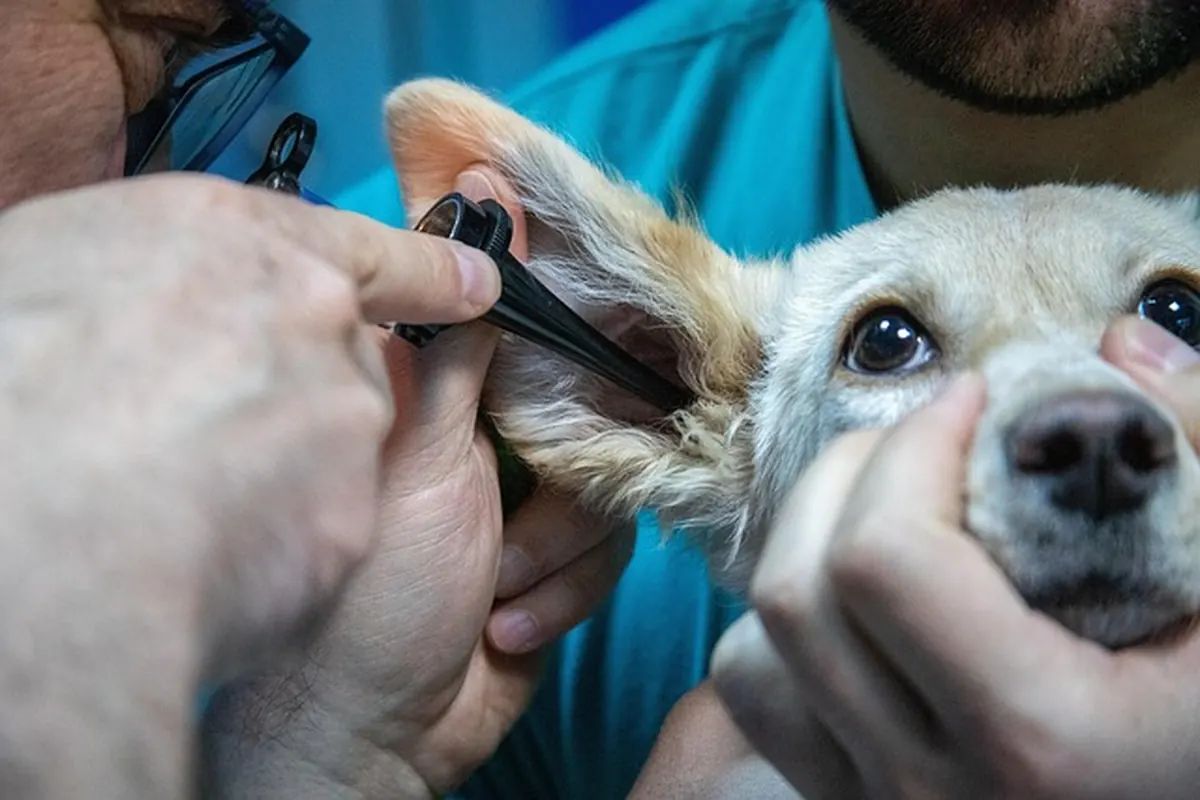
See your veterinarian first because pain or illness can cause reactivity, and because a sudden change in behavior is often a medical sign. The Merck Veterinary Manual says it is essential to rule out medical causes, and calls pain an important risk factor for behavior problems. Your vet can also refer you to a veterinary behaviorist.
- Pain and illness can look like a behavior change. The Merck Veterinary Manual lists pain as "an important risk factor for behavior problems" and says "any disease that causes pain or discomfort... can increase irritability and aggression in dogs".
- A sudden shift matters. If your calm dog starts snapping, your gentle dog starts hiding, or your sleeping dog growls when touched, book a vet visit before you start any training plan.
- Your vet can refer you. Veterinary behaviorists, board-certified under the American College of Veterinary Behaviorists (DACVB), are vets with extra training in behavior.
- The ASPCA agrees. It also recommends seeing a vet first, in its own words: "it's crucial to take her to a veterinarian, before you do anything else, to rule out medical issues".
The American Veterinary Society of Animal Behavior's 2021 position statement on humane dog training adds that "AVSAB recommends that only reward-based training methods are used for all dog training". That is the approach the courses below describe.
Can a Course Train Reactivity Out of a Dog?
A course can teach your dog to focus on you at a safer distance from a trigger, and that often looks like a calmer dog. A dog that is reactive stays reactive at some level: you manage it, you do not erase it. I found no study showing how well online courses work for reactive dogs.
The honest frame is management, not a cure.
If your dog barks at other dogs on walks today, the goal is a dog that can look at you when another dog passes, from a distance you both can handle, and that distance gets shorter over time.
Some dogs reach "I barely notice them". Many dogs reach "I can walk past at ten feet". Both are a win.
HolistaPet's reactive dog guide sums it up: "It's about managing, not magically erasing." If a page promises a cure in days, I would read it twice.
Which Online Courses Teach Reactivity in 2026?
Six online options teach reactivity in 2026, read on their own pages on Nov 23. Dunbar's Reactive Dog Toolkit is $200 once. SpiritDog lists two reactivity courses at $597 and $197. Buck U is $29.99 a month, Brain Training for Dogs is $67, Instinct lists free courses, and Positive Dog is a free Facebook group.

| Course | Price (Nov 23, 2026) | Refund window | Instructor credential stated | Warning about bite history | What it does not cover |
|---|---|---|---|---|---|
| Dunbar Reactive Dog Toolkit | $200 once | 30 days ("let us know within 30 days and we'll provide a full refund") | Dr. Ian Dunbar, veterinarian, as described on his Wikipedia biography | Yes: "These dogs need one-on-one help from a professional dog trainer who can evaluate them in-person" | Serious bite histories and in-person evaluation |
| Brain Training for Dogs | $67 once (next to a crossed-out $127) | 60 days ("60 day Unconditional money back guarantee") | Adrienne Farricelli, CPDT-KA, listed in the CCPDT directory | Not stated on the sales page; the course lists "reactive" and "lunging" among the problems it addresses | Severe aggression and in-person evaluation; it is a general course, not a reactivity-only course |
| SpiritDog Ultimate Reactivity Reset System (and Calm Walk Formula) | $597 for the Reset System; $197 for the Calm Walk Formula, a 28-day leash-walking plan, per SpiritDog's course page | 30 days: the course page says "Lifetime access and a 30-day money-back guarantee"; the terms of service add that refunds are "between the buyer and the merchant" | Not stated on the course overview; its site describes a team of trainers | Not stated on the course page I could read; confirm at checkout | Severe aggression; the page describes leash lunging and barking at triggers |
| Buck U (Buck's Dog Training) | $29.99 a month, no single course sold, per Buck's reactive dog page | Not stated on the page | "Expert trainers"; no specific certification named on the page | Yes, strong: "If your dog has a serious bite history, or you feel unsafe handling them, do not start with a video course" | Bite-history cases, which it tells you to handle in person first |
| Instinct Online School | Free self-paced courses; "a select number of our courses cost a modest fee" | No refund rule on the home page; its terms give EU consumers a 14-day "cooling off" period | "Courses created by board certified vet behaviorists & certified trainers", per the school | Not stated on the home page I read; the school offers in-person help at its locations | A specific "Leash Reactive Dog" course was not visible on the home page on Nov 23 |
| Positive Dog free Facebook group | Free | Not applicable | Not confirmed; the group is private, so I could not read its full description | Not confirmed in source (private group) | A view of your dog; keep it as a community, not as a plan |
I did not include Doggy Dan's Solve Reactivity on this round: the sales pages I could read list different prices and different refund windows, and I did not confirm the trainer's credential on the page I saw.
It can come back if I can confirm the numbers on an official checkout.
Three courses I can book and keep today (the paid links that help me keep this site)
Affiliate link: I earn a commission
Affiliate link: I earn a commission
Affiliate link: I earn a commission
How Do You Choose an Online Course for a Reactive Dog?
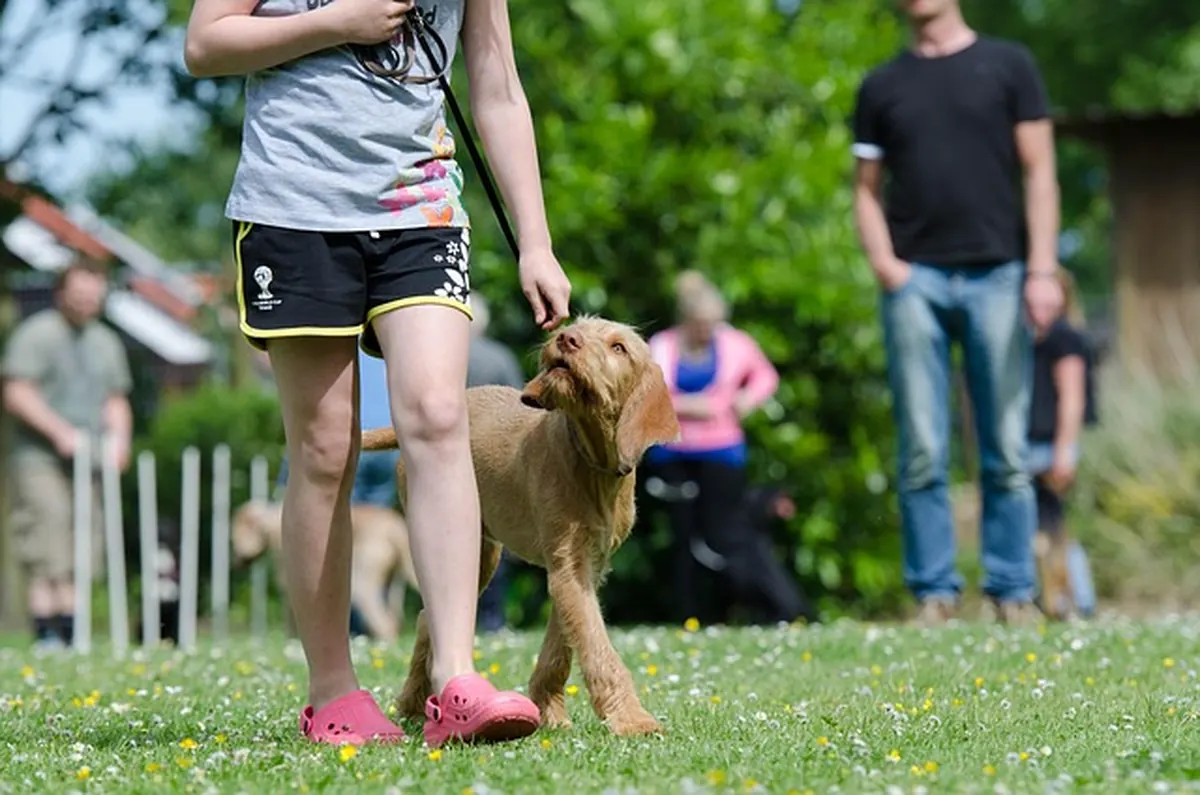
Choose by six checks: a price written on the page, a refund window in days, the instructor's credential in a public directory, a clear warning about bite history, a list of what the course does not cover, and a link labeled as affiliate or not. Read the terms before you pay, every time.
- Price with the date you read it. Screens change. Write down the number and the day.
- Refund window in days. Thirty and sixty days are common; a page with no number is a page without a promise.
- Instructor's credential. You can check CPDT-KA in the CCPDT directory and a DVM in a state board. "Expert trainer" alone is not a credential.
- Bite-history warning. The best pages say in plain English that a bite history needs an in-person professional.
- What it does not cover. Two good courses will admit what they skip.
- Link labeled as affiliate or not. A page that hides the affiliate link is a page that may hide more.
How Do You Find a Certified Trainer or Veterinary Behaviorist?
Start with three public directories: the American College of Veterinary Behaviorists (dacvb.org) for a veterinarian with behavior training, the IAABC for behavior consultants, and the CCPDT for professional dog trainers. Behavior consultant is not a legally regulated title in most places, so a verified credential in one of those bodies matters.
- Veterinary behaviorists (DACVB): the American College of Veterinary Behaviorists at dacvb.org. These are veterinarians with extra training in behavior. The direct search page did not open for me on Nov 23, so start at the home page.
- Behavior consultants (IAABC): the International Association of Animal Behavior Consultants at iaabc.org. Its page notes it "cannot personally verify individual qualifications", which is why its own certifications (such as CDBC) matter.
- Certified professional dog trainers (CCPDT): the CCPDT public directory. CPDT-KA and CPDT-KSA are the credentials to look for.
- AVSAB: the AVSAB publishes position statements on humane training. I did not find a public member directory on that page on Nov 23, so lean on the three directories above when you look for a professional.
Ask any professional two questions on the phone: what method do you use, and what happens if my dog does not respond? A reward-based answer and a willingness to say "I would refer you" are both good signs.
How Much Does a Reactivity Behaviorist Cost in the US?
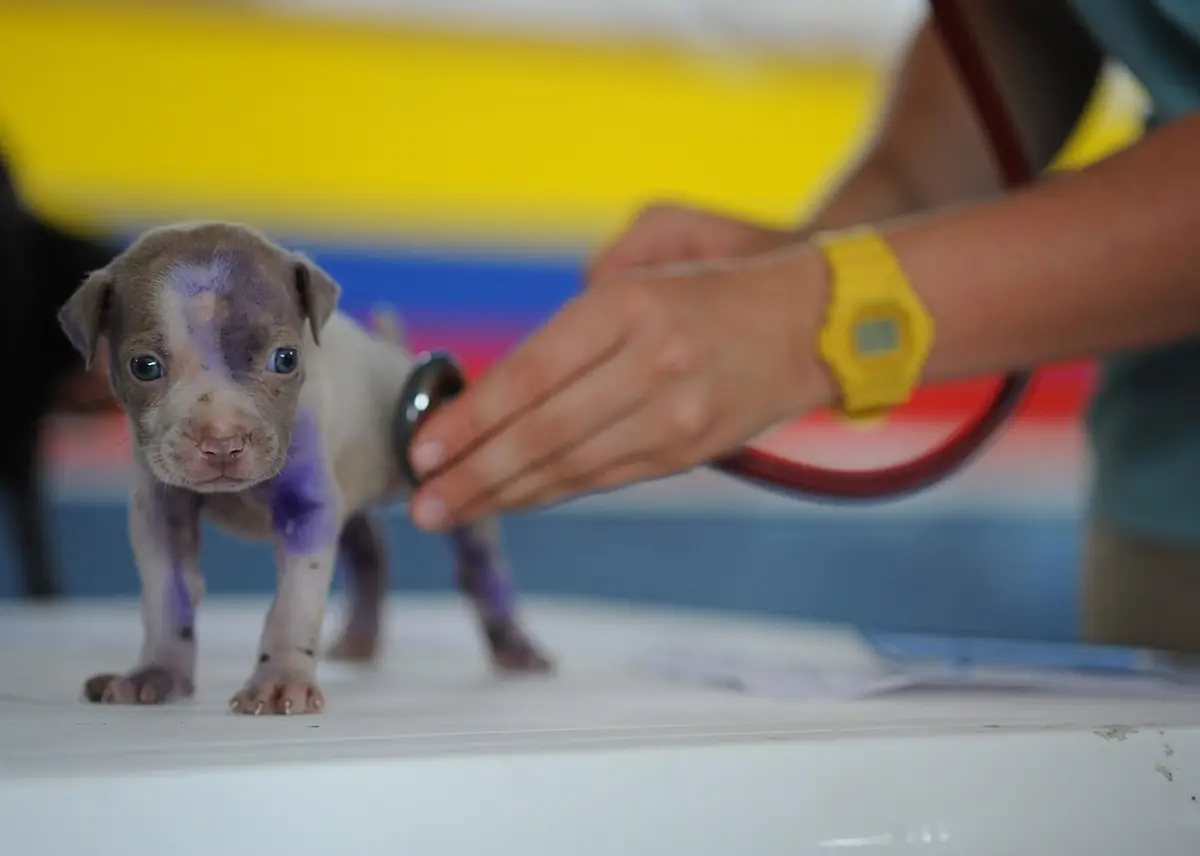
Prices vary by city, so ask the clinic for a quote. On Nov 23, 2026, the SF SPCA listed $595 for an initial behavior consultation with follow-up care, and NC State listed $953.93 for a full dog consultation over two sessions. Rover's 2024 guide puts private trainers at $100 to $150 an hour.
| Where | Price (as of Nov 23, 2026) | What it includes |
|---|---|---|
| SF SPCA Veterinary Behavior Service | $595 "Initial Consultation & Follow-Up Care", per the SF SPCA service page | A behavior workup and follow-up care; later re-evaluations are listed from $295 (30 minutes) |
| NC State Veterinary Hospital, Behavioral Medicine | $953.93 full consultation for a dog, per the NC State behavioral medicine page | Two sessions of 1 to 1.5 hours each; a $200 deposit is due when you book |
| Private trainer (US average, Rover) | $100 to $150 an hour for one-on-one | In person; from an article updated October 17, 2024 |
Ohio State's Veterinary Medical Center lists $460 for up to two hours for a dog. On Nov 23, the same page said its behavior service had no clinician and was not seeing patients.
Prices vary by city and change often. Ask the clinic for a quote before you book.
A full veterinary behavior workup costs more than a trainer visit because it also includes a medical review and, often, medication planning.
That is why the DACVB-trained vet is the right call for a bite history, a sudden change or severe fear.
Are There Free Online Courses for Reactive Dogs?
Yes. Instinct's online school lists free and low-cost self-paced courses, created by board-certified veterinary behaviorists and certified trainers, per its site. Dunbar Academy's free collection and SpiritDog's free seven-day email course also exist. Free courses often skip bite-history warnings and skip a view of your dog, so pair them with a vet check.
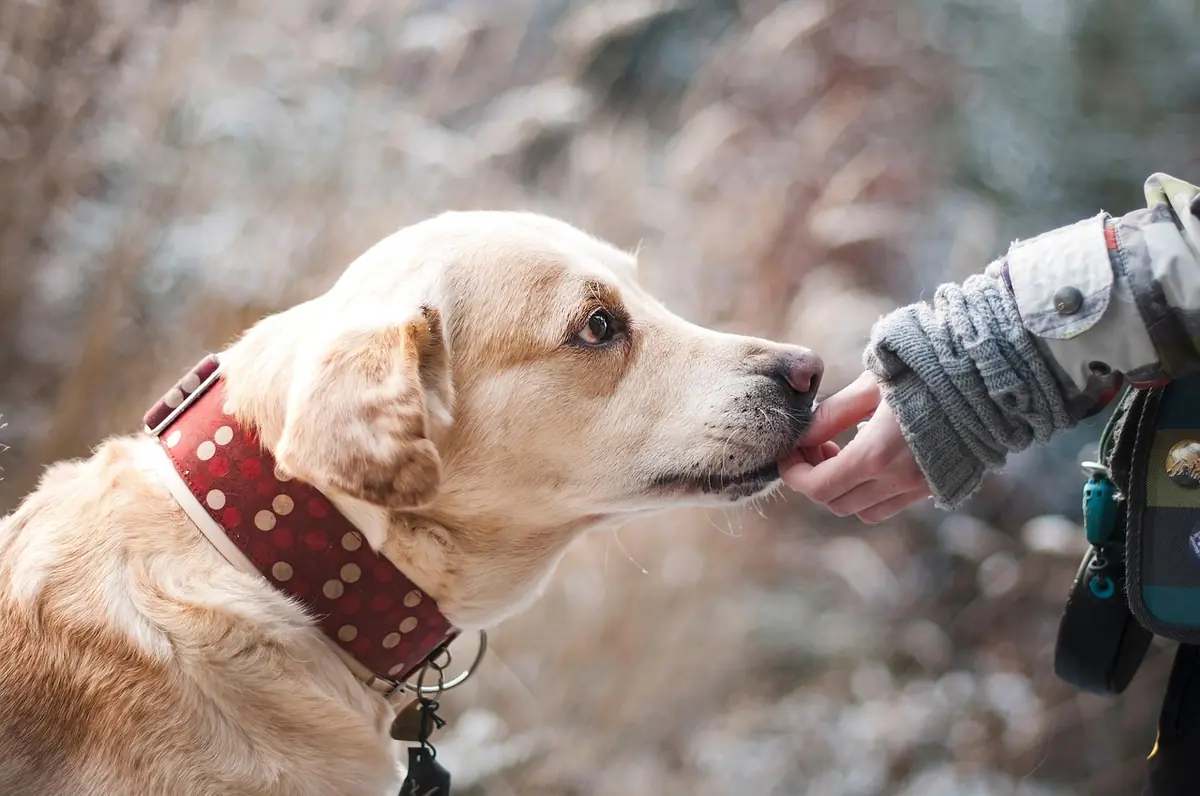
- Instinct Online School: see its free and low-cost courses. The school does not list a specific "Leash Reactive Dog" course on its home page I read on Nov 23.
- Dunbar Academy free collection: Dunbar's own site also lists free courses next to the paid Reactive Dog Toolkit.
- SpiritDog free 7-day email course: a short email series from the same team that sells the paid courses.
- Positive Dog free Facebook group: a free community for reactive-dog owners. The group is private, so a full description was not visible to me on Nov 23.
Free is fine as a first step. Free is not a replacement for a plan. If you get stuck after two or three weeks, that is the signal to pay for a short course or to book one in-person session.
How Long Does It Take to Correct Dog Reactivity?
There is no set timeline. Buck's Dog Training does not promise one on its reactive dog page. Progress depends on the trigger, on how long reactivity has been part of your dog's routine, and on how often you can run short sessions. Think in weeks and months, not in days.
The honest advice is to pick a window that fits your life. Ten minutes a day, five days a week, is more than most dogs get.
Keep a short note: date, trigger, distance, and whether your dog could take a treat. Two weeks of notes will tell you whether the plan is working, and whether you need to bring in a live trainer.
Buck's Dog Training says it plainly on its reactive dog page: "Anyone who promises a timeline for a behaviour case without meeting your dog is guessing." A "cure in X days" promise reads as a warning, not a win.
What Equipment Helps a Reactive Dog on Walks?
A front-clip harness reduces the pull without hurting the dog, and a head collar can add more steering for strong dogs. A basket muzzle keeps everyone safer, after a few weeks of muzzle conditioning so the dog likes putting it on. Treats, a long line and distance are the rest of the kit.
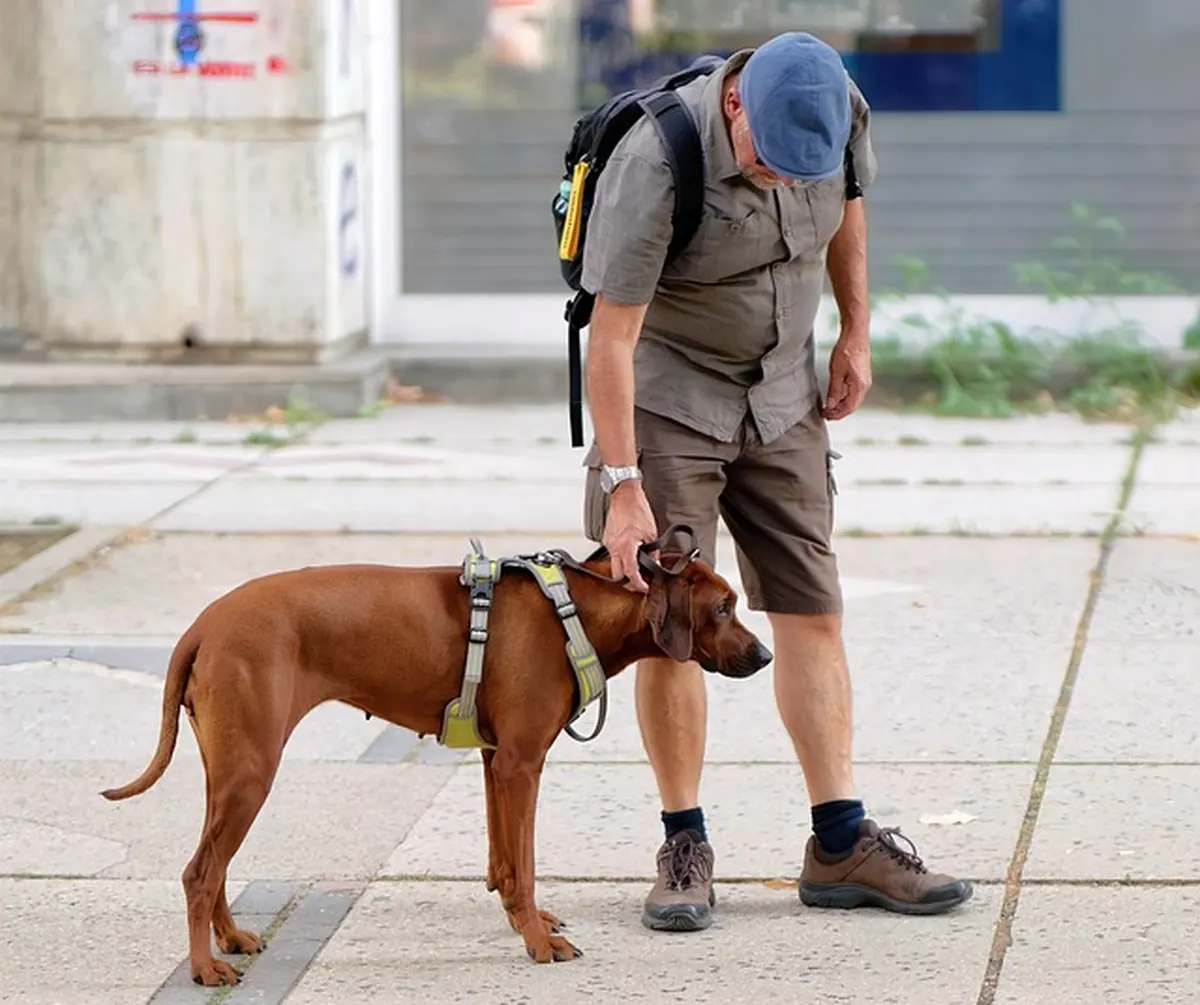
- Front-clip harness: steers from the chest. If your dog pulls to the trigger, you can turn the body before the barking starts.
- Head collar: adds control for owners who cannot physically hold a strong dog. Introduce it slowly, with treats.
- Basket muzzle: useful for any dog with a bite history or for a sudden veterinary visit. Train it first: a dog that likes the muzzle will wear it calmly; a dog that hates it will fight you.
- Long line: a 15- to 30-foot leash lets you practice distance without losing the dog. Not for crowded sidewalks.
- Treats your dog loves: cheese, chicken, liver. The better the treat, the faster the focus.
I do not sell any product on this page. What you buy is yours to choose. Ask your veterinarian or a certified trainer which harness or muzzle fits your dog's size and head shape.
Should You Start With an Online Course for Your Reactive Dog?
Start with an online course if your reactive dog barks, lunges or pulls at triggers on leash and has no bite history. See your veterinarian first if the behavior started suddenly or severe fear is in play. For a bite record, book a certified in-person professional before any course, and bring the course back later.
If you can only click one paid link today and your dog fits the mild on-leash profile, start with Dunbar: it is veterinarian-led, has a clear bite-history warning on the course page, and keeps a 30-day money-back window.
Read the terms before you pay.
Affiliate link: I earn a commission at no extra cost to you.
Which Pick Matches Your Dog's Situation?
The right pick depends on the dog, not the budget. For mild on-leash reactivity with no bite history, Dunbar's Reactive Dog Toolkit or SpiritDog's Calm Walk Formula fit. For a bored, mildly reactive dog, Brain Training for Dogs fits. For zero budget, try Instinct's free courses. For a bite history, see a professional first.
No commission: I earn nothing from this link
No commission

Online Training for Reactive Dogs: What Else Do Owners Ask?
Can reactivity be trained out of dogs?
Not fully. A good plan teaches your dog to look at you at a safer distance from a trigger, and that distance gets shorter over weeks. Underneath, a reactive dog stays reactive to some degree. You manage the reaction, you do not delete it, and I found no study measuring online courses for this.
How long does it take to correct dog reactivity?
Weeks and months, not days. The timeline depends on the trigger, on how deep reactivity has become in your dog's routine, and on how often you can run short, focused sessions. Keep a short log of distance, trigger and treat response: two weeks of notes already show whether the plan is working.
Are there any free online dog behavior courses for reactive dogs?
A few free starting points exist. Instinct's online school lists free and low-cost self-paced options. Dunbar Academy keeps a free collection next to its paid Reactive Dog Toolkit. SpiritDog hands out a free seven-day email course. None replaces a vet check or a certified professional, so treat them as an opening, not the full plan.
How much does a behaviorist cost for a dog?
Prices vary, so ask the clinic for a quote. On Nov 23, 2026, the SF SPCA listed $595 for a first dog behavior consultation with follow-up care. NC State's veterinary hospital listed $953.93 for a full consultation. Rover's 2024 guide puts private trainers at $100 to $150 an hour.
How do you get a dog to stop being reactive on leash?
Shrink the trigger, not the dog. Walk at a distance where your dog can still see the trigger and take a treat, then close that distance over weeks, with a front-clip harness and ten-minute daily sessions. An online course gives you the sequence to follow. For deeper context, see our online dog training guide.
Sources: Merck Veterinary Manual on behavior problems of dogs, AVSAB position statements, ASPCA on dog aggression, Rover's dog training cost guide (updated Oct 17, 2024).

Written by Silvia Dalto
Who I am: I'm an architect and landscape designer, and I write about homes and everyday well-being at biofilianolar.com. I once had a German shepherd named Linda.
I am not a dog trainer, not a veterinarian and not a certified behavior consultant, and nothing on this page is veterinary advice. For a reactive dog, I would ask a professional first. More about me.
How this page was made: I compared six online options by reading each official page on November 23, 2026. I wrote down the price, the refund window and whether each page warned about a bite history.
I cross-checked the medical lines with the Merck Veterinary Manual, AVSAB and ASPCA, and marked in plain English what I could not confirm.
What I did not confirm: the Positive Dog Facebook group's full description (private group) and the AVSAB "Selecting a behavior consultant" PDF (not readable to me on Nov 23). I will update this page when I can read them.
Affiliate disclosure: the Dunbar Academy, Brain Training for Dogs and SpiritDog Training links earn me a commission at no extra cost to you.
The others pay me nothing. Commissions never change what I write. Full disclosure. Last updated: November 23, 2026.
Related reading: our online dog training guide · our Dunbar Academy review · our SpiritDog Training review · our Brain Training for Dogs review.